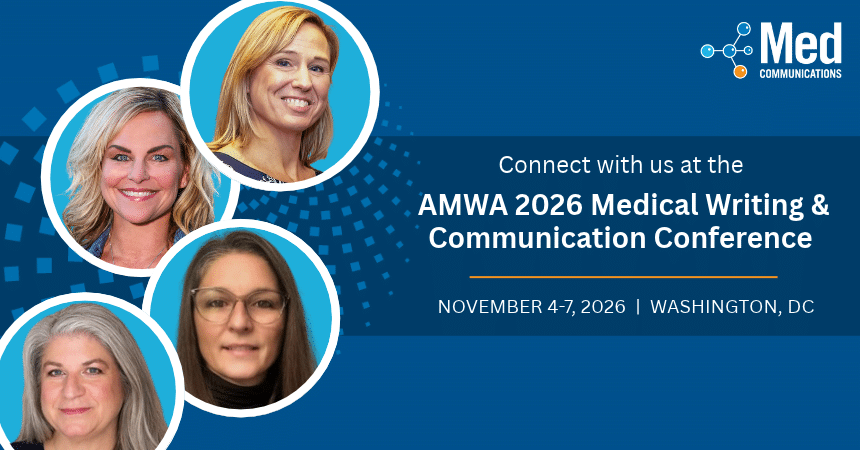
Heading to the American Medical Writers Association (AMWA) 2026 Medical Writing & Communication Conference in Washington, D.C., November 4-7? We’d love to connect with you. Several members of Med Communications…

In Medical Affairs, the terms scientific platform and scientific narrative are often used interchangeably, but they’re not quite the same. A scientific platform is the strategic scientific foundation that defines…
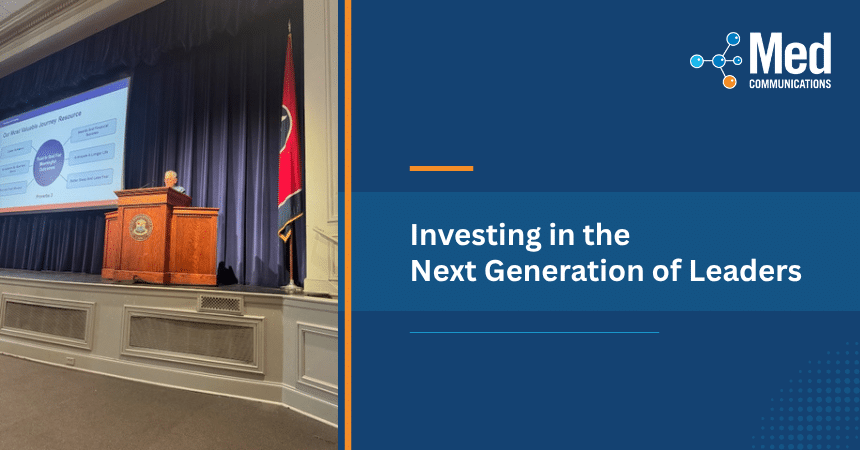
Last week, Dr. J. Allen Scoggin, founder and CEO of Med Communications, had the privilege of speaking with students at Memphis University School, a college-preparatory day school serving boys in…
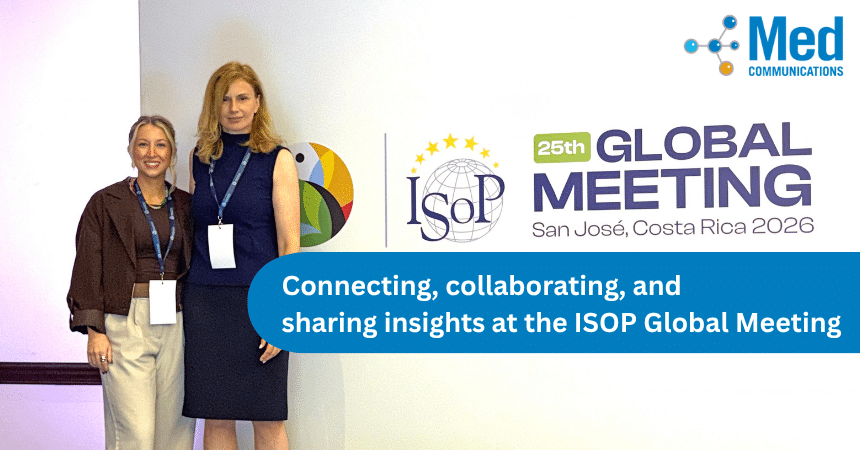
What a great experience at the ISOP Global Meeting in beautiful Costa Rica! Our team appreciated the opportunity to connect with colleagues from across the industry, exchange insights and have…

Generating clinical trial and real-world evidence requires significant investment, planning, and collaboration. But once the research is published, an important question remains: Who is actually engaging with it? Publication is…

For pharmaceutical, biotech, and medical device organizations, delays in review can affect everything from campaign timelines to product communications. But moving content through review more quickly isn’t simply a matter…
When important research is ready to be shared, publication is only part of the equation. Timing matters too. Simultaneous publication can give stakeholders timely access to new scientific information across…
Tomorrow, September 25, is World Pharmacists Day, a global initiative led by the International Pharmaceutical Federation (FIP) to recognize and celebrate the vital contributions pharmacists make to health care and…
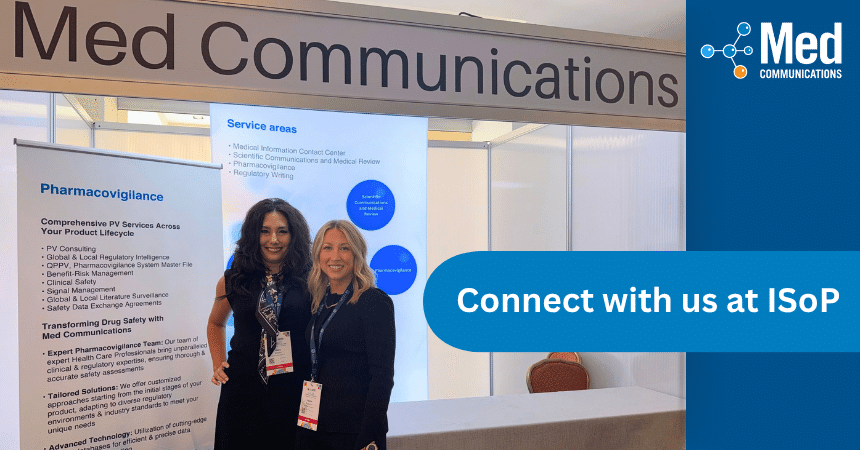
We’re in San José, Costa Rica, this week for the International Society of Pharmacovigilance (ISoP) Global Meeting. If you’re attending, be sure to stop by Booth 4 to meet Maria…
As demand for Plain Language Summaries (PLSs) continues to grow, so does the challenge of making complex science easier to understand without losing the nuance and accuracy that matter. Effective…